Are tattoos halal or haram in Islam? Discover Quran, Hadith, and scholars’ rulings on tattoos for Muslims.
Introduction
In today’s world tattoos have become very common and widely accepted. Many people consider tattoos a form of art a symbol of self expression or a way to show their personal identity. Social media platforms and celebrities have also strongly influenced this trend making tattoos appear stylish and normal in modern culture.
However, for Muslims the question often arises: are tattoos halal or haram in Islam?
Since Islam provides guidance for every part of life Muslims naturally seek to understand what the religion teaches about body modifications like tattoos. This concern is not only about personal choice but also about spiritual responsibility.
The aim of this article is to explore the Islamic ruling on tattoos in a simple and clear way. We will look at what the Quran says, examine authentic Hadith and share the opinions of respected Islamic scholars.
The article will also cover cultural aspects health concerns and the difference between permanent and temporary tattoos. By the end, you will have a better understanding of whether tattoos are allowed or forbidden in Islam and how Muslims can approach this topic with knowledge and faith.
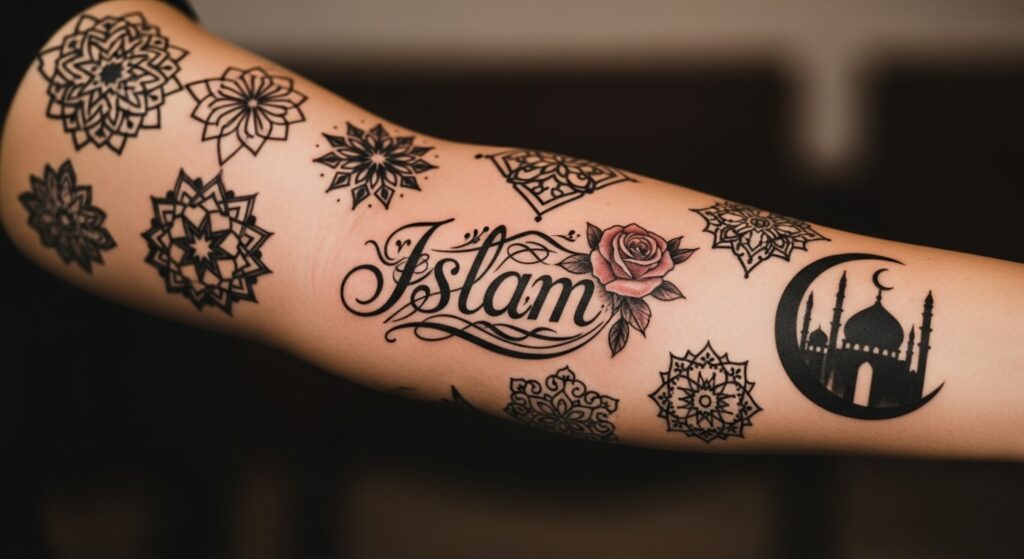
What Does Islam Say About Tattoos?
In Islam, Muslims guide every action in life with faith and obedience to Allah. They view tattoos as a form of permanent body modification and often ask if such practices are allowed in the religion. The Quran does not directly mention the word ‘tattoo,’ but Islamic teachings give clear principles that guide Muslims on this matter.
Most Islamic scholars agree that permanent tattoos are not permissible. The main reason is that tattoos involve changing the natural creation of Allah which Islam generally prohibits. The Prophet Muhammad ﷺ warned against altering the body in ways that show discontent with how Allah created us. Since tattoos are permanent and involve inserting ink into the skin scholars consider them a form of unnecessary alteration.
At the same time, Islam also emphasizes intention. A Muslim may ask whether a tattoo that carries a personal or cultural meaning is viewed differently. Scholars explain that even if the tattoo has no negative message the act of tattooing itself remains problematic because of its permanent nature and the pain or harm it can cause to the body.
This is why Muslims turn to the Quran, Hadith and scholarly opinions to seek a clear understanding. While the culture around tattoos continues to grow Islamic teachings focus on protecting the body preserving purity and respecting the natural form given by Allah.
Read also Haram Things in Islam
Tattoos in the Quran
The Quran does not mention tattoos directly. You will not find a verse that uses the word “tattoo.” However, the Quran gives clear guidance about protecting the body and avoiding changes to the natural creation of Allah. These principles help Muslims understand the Islamic view on tattoos.
One important verse often linked to this topic is from Surah An-Nisa (4:119) where Allah mentions the tricks of Shaytan. Shaytan promises to mislead people and encourages them to“change the creation of Allah.”
Another principle from the Quran is the importance of avoiding harm. Islam teaches that the body should not be subjected to pain or damage without a valid reason. Since tattoos involve needles and can cause health risks many scholars use this principle to say that tattoos go against Islamic teachings.
By reflecting on these Quranic guidelines Muslims gain clarity. Even though the Quran does not name tattoos directly the broader teachings guide believers to avoid practices that harm the body or show dissatisfaction with how Allah created us.
Tattoos in Hadith
The Hadith literature gives clear guidance about tattoos. The Prophet Muhammad ﷺ spoke directly about tattooing and warned Muslims against it. These narrations form the main evidence that scholars use when they say tattoos are haram in Islam.
In Sahih al-Bukhari and Sahih Muslim Abdullah ibn Mas’ud (RA) reported that the Prophet ﷺ cursed those who make tattoos and those who get tattooed. This strong wording shows how serious the matter is in Islam. The curse means that the act displeases Allah and goes against the teachings of the Prophet ﷺ.
Another narration mentions that tattooing is linked to changing the creation of Allah. The Prophet ﷺ taught Muslims to avoid practices that show dissatisfaction with how Allah created the human body. By linking tattoos to this act the Hadith makes the ruling even clearer.
Why Are Tattoos Haram in Islam?
The main reason is that tattoos change the natural creation of Allah. The Prophet Muhammad ﷺ warned against altering the body in ways that show dissatisfaction with how Allah created us. Because tattoos involve permanent marks on the skin scholars agree that they fall under this prohibition.
Tattoos also cause harm to the body. The process involves piercing the skin with needles and inserting ink, which can lead to infections, allergic reactions, or other health problems. Islam teaches Muslims to avoid harm and protect their bodies. Since the body is a trust from Allah Muslims must care for it and not damage it without a valid reason.
Another reason scholars call tattoos haram is imitation. Many Islamic scholars explain that Muslims should avoid imitating non-Muslim practices that go against Islamic values. In history tattoos were often linked to pagan rituals or cultural practices that Islam discouraged. Following these traditions can weaken Islamic identity.
The Hadith also makes the ruling stronger. The Prophet ﷺ cursed those who make tattoos and those who receive them. This shows that the act is not only disliked but strongly forbidden. Both the person giving the tattoo and the person receiving it carry responsibility.
Are Temporary Tattoos or Henna Halal in Islam?
Muslims often ask if temporary tattoos or henna are halal in Islam. Scholars make it clear that temporary designs differ from permanent tattoos. Since they do not change Allah’s creation or leave a lasting mark they do not carry the same ruling as permanent tattoos.
Henna has a long history in Islamic culture. Women use it for weddings, Eid and other celebrations. The Prophet Muhammad ﷺ encouraged women to apply henna to beautify themselves in a halal way.
Temporary tattoo stickers or paint also fade with time. Scholars say these designs are allowed as long as they do not contain haram images or words. A Muslim must avoid symbols linked to shirk, immorality or anything that goes against Islamic values.
Health and Social Concerns About Tattoos in Islam
Islam teaches Muslims to protect their bodies and avoid harm. Tattoos can cause serious health problems. The tattooing process pierces the skin with needles and injects ink, which can lead to infections, skin diseases and allergic reactions.
Doctors warn that some inks contain harmful chemicals that may damage the body over time. Islam forbids self-harm so scholars use this principle to declare tattoos haram.
Tattoos also affect a Muslim’s daily religious practices. Many people worry about wudu and ghusl. Scholars explain that tattoos do not block water so wudu and ghusl remain valid. Still, the health risks and permanent nature of tattoos keep them under the haram ruling.
From a social point of view, tattoos can create problems in Muslim communities. Some families may reject marriage proposals from people with tattoos. In certain workplaces tattoos may affect a person’s reputation or professional opportunities.
Tattoos and Repentance in Islam
Many Muslims ask what they should do if they already have tattoos. Islam gives clear guidance: Allah’s mercy is greater than any sin and sincere repentance opens the door to forgiveness. A Muslim who regrets having a tattoo must turn back to Allah with a pure heart and seek His pardon.
The Prophet Muhammad ﷺ taught that Allah forgives all sins when a person repents sincerely. This means a Muslim with tattoos should repent avoid repeating the mistake and focus on living according to Islamic teachings. Allah values sincerity so even if removing the tattoo is difficult repentance remains valid.
Some Muslims choose to remove their tattoos through medical treatment. Scholars say this is allowed if it does not cause serious harm. However, removal is not an obligation. What matters most is sincere repentance not whether the tattoo stays on the skin.
Islam also encourages Muslims to increase good deeds after repentance. A believer can pray more read the Quran, give charity and strengthen their connection with Allah. These actions help cleanse the heart and replace past mistakes with rewards.
Common Questions About Tattoos in Islam
Yes, Muslims can pray with a tattoo. Scholars explain that tattoos do not block water from reaching the skin, so wudu and ghusl remain valid. However, prayer with a tattoo does not mean the act of tattooing becomes halal. The sin comes from getting the tattoo, not from praying while having it.
Are cosmetic tattoos halal in Islam?
Cosmetic tattoos, such as eyebrow or eyeliner tattoos, are generally haram. Scholars say these tattoos involve altering Allah’s creation and carry the same ruling as regular tattoos. If a medical need exists, such as covering scars, some scholars allow them, but they still encourage Muslims to avoid them unless necessary.
Yes, tattooing others is a sin in Islam. The Prophet Muhammad ﷺ cursed both the one who makes tattoos and the one who receives them. This shows that responsibility falls on both sides. Muslims avoid tattooing others, just as they avoid getting tattooed themselves
No, temporary tattoos do not break Islamic rules as long as they do not contain haram images or symbols. Since they fade and do not permanently alter the body, scholars consider them permissible. Henna designs fall under the same ruling and are widely accepted in Islamic culture.
No, removing a tattoo is not required after repentance. Scholars explain that repentance is valid even if the tattoo remains. If safe removal is possible, a Muslim may choose to do it, but what matters most is sincere repentance and a commitment to avoid repeating the sin.
Conclusion
Tattoos in Islam remain a serious issue for Muslims who want to live according to their faith. The Quran gives principles about protecting the body and avoiding changes to Allah’s creation.
At the same time, Islam opens the door of mercy for those who already have tattoos. A Muslim who repents sincerely and turns back to Allah gains His forgiveness. Removal of the tattoo is optional but repentance is necessary. Islam values sincerity not outward appearance.
Temporary tattoos and henna remain halal because they fade naturally and do not alter the body. Islam allows Muslims to enjoy them within the limits of modesty and respect for Islamic values.
Muslims today face growing pressure from modern culture to follow trends like tattooing. By learning the Islamic ruling, they protect their faith, body and dignity. Islam teaches believers to honor the body Allah created, avoid harm and seek His pleasure above all else.
In the end, tattoos may leave marks on the skin, but repentance and good deeds leave lasting marks on the heart. A Muslim who chooses faith over fashion always gains Allah’s reward and mercy.
“Choose faith over trends, protect your body, and seek Allah’s mercy, because true beauty shines through obedience to Him.”
👉 Strengthen your faith with guided learning join our Online Quran Classes and book a free trial today.
Explore:
- Online Quran Classes
- Tajweed Course
- Quran for Beginners
- Free Trial / Contact Us