
Learn how to make dua in Islam the right way, with sincerity, proper etiquette, and strong faith in Allah.
Introduction
Dua is a special act of worship in Islam. It means asking Allah for help, guidance, forgiveness or blessings. Muslims make dua because Allah loves when His servants turn to Him. Dua can be made at any time and in any situation. A person can make dua during happiness, sadness, or difficulty.
Dua also creates a strong personal connection with Allah. When someone makes dua, they speak directly to their Creator. There is no barrier between the servant and Allah. Through dua a Muslim shares their feelings, worries and hopes. This is why many people feel peace and comfort when they raise their hands and ask Allah for help.
Many Muslims want to know how to make dua in Islam the right way. They wonder if there is a correct method to follow. They ask about the best times to make dua and the proper manners to observe. Some also feel confused when their duas are not answered quickly.
This article explains how to make dua in Islam in a simple and clear way. It covers the basic steps, proper etiquette best times for dua and common mistakes to avoid. By understanding these points, Muslims can make dua with sincerity, patience and trust in Allah.
Read also Dua for Peace
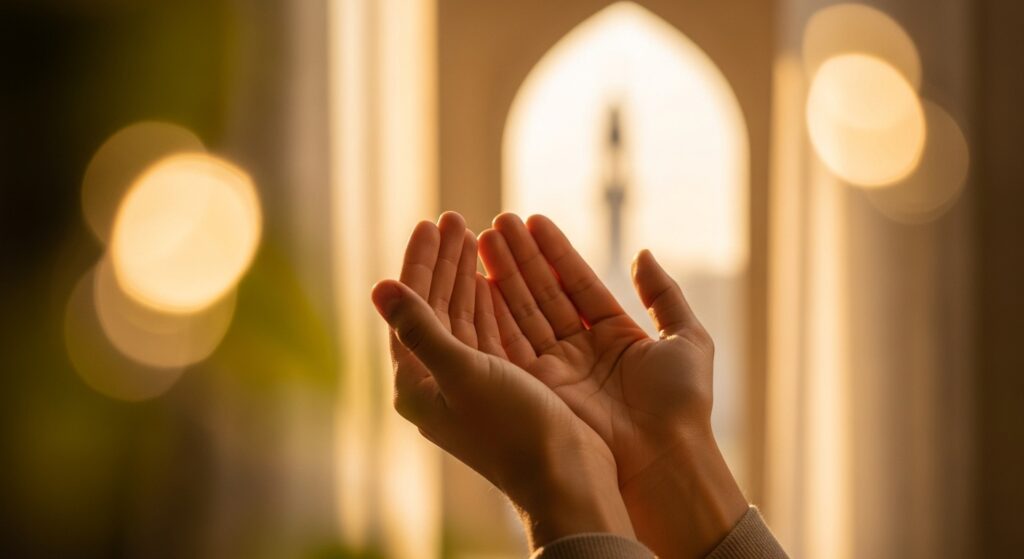
What Is Dua in Islam?
In Islam dua means calling upon Allah and asking Him for help, mercy or guidance. It is a form of worship where a believer turns to Allah with a sincere heart. Dua shows that a person depends on Allah in every matter of life both big and small.
Allah encourages Muslims to make dua often. He promises to listen and respond in the best way. A person does not need special words or a fixed place to make dua. Islam allows Muslims to make dua in their own language and according to their personal needs. What matters most is sincerity and honesty.
Dua is different from salah. Salah is a required act of worship with fixed movements and words. Dua, however, is flexible and personal. A Muslim can make dua during salah, after prayer or at any other time. This makes dua easy and accessible for everyone.
Through dua, Muslims build a close relationship with Allah. They ask for forgiveness, seek guidance and express gratitude. Because of this, dua becomes a source of hope, comfort and strength in daily life.
Why Making Dua Is Important in Islam
Making dua is very important in Islam because it shows a person’s faith and trust in Allah. When Muslims make dua they admit that only Allah has the power to help, guide, and provide. This strengthens a believer’s connection with their Creator.
Dua also brings peace and comfort to the heart. Life is full of challenges, and sometimes people feel worried, sad or stressed. Turning to Allah through dua helps them feel calm and supported. It reminds Muslims that they are never alone and that Allah is always listening.
The Quran and Sunnah teach the value of dua. Allah says in the Quran: “Call upon Me, and I will respond to you.” (Surah Ghafir, 40:60) This verse shows that Allah is always ready to answer sincere prayers. The Prophet Muhammad ﷺ also encouraged making dua and said that it is the essence of worship.
Moreover, making dua is a way to express gratitude. Muslims thank Allah for the blessings in their life even during small daily moments. This habit strengthens faith and helps believers remember Allah constantly.
How to Make Dua in Islam (Step-by-Step)
Making dua in Islam is simple if you follow the proper steps. It is not about complicated words but about speaking to Allah with a sincere heart. Here is a step by step guide to help you make your dua more effective and meaningful.
Begin by Praising Allah
Start your dua by praising Allah and acknowledging His greatness. You can say phrases like “Alhamdulillah” (All praise is for Allah) or mention Allah’s beautiful names. This shows respect and gratitude before asking for something.
Send Salawat Upon the Prophet ﷺ
Before making your request, send blessings on the Prophet Muhammad ﷺ by saying “Allahumma salli ala Muhammad”. Sending salawat increases the chances that your dua will be accepted and brings reward to the one making the dua.
Make Dua with Humility and Focus
Speak to Allah with humility. Be honest and open about your needs. Focus your heart and mind on your dua, avoiding distractions. Sincerity is more important than the exact words you use.
Ask Clearly and Specifically
Ask Allah for what you need in clear words. You can pray for forgiveness, guidance, health, protection or any personal need. Being specific shows thoughtfulness and seriousness in your prayer.
End the Dua with Salawat and Ameen
Finish your dua by sending salawat on the Prophet ﷺ again and saying “Ameen”. This is a way to conclude your prayer respectfully and with hope that Allah will accept it.
Best Times to Make Dua in Islam
Islam teaches that making dua at certain times can increase the chance of it being accepted. While Allah hears all prayers some moments are considered more special for dua. Here are the best times to make dua in Islam:
1. During the Last Third of the Night
The last part of the night, before Fajr, is a blessed time. The Prophet Muhammad ﷺ said that Allah descends to the lowest heaven and answers the prayers of those who call upon Him at this time. Waking up for Tahajjud or making dua before Fajr is highly recommended.
2. While in Sujood (Prostration)
During salah, the moment of prostration is very close to Allah. Making dua in sujood shows humility and devotion. The Prophet ﷺ said that the closest a servant is to Allah is when they are in prostration.
3. Between the Adhan and Iqamah
The time after the call to prayer and before it starts (iqamah) is a blessed period for dua. This short window allows Muslims to make sincere requests to Allah before starting the prayer.
4. On Fridays
Friday is the most blessed day of the week in Islam. Making dua on this day especially in the last part of the afternoon is strongly recommended. The Prophet ﷺ mentioned that there is a moment on Friday when Allah accepts prayers.
5. While Fasting
Fasting in Ramadan or other voluntary fasts makes dua more special. The Prophet ﷺ said that the dua of a fasting person, especially when breaking the fast is not rejected.
6. During Rain or Natural Blessings
Rain is considered a mercy from Allah. Making dua while it rains is a moment of blessing. Similarly, other natural signs of Allah’s mercy, like sunrise or sunset are good times for dua.
7. While Traveling
Travel can be a time of reflection and humility. The Prophet ﷺ encouraged making dua while traveling, as it is a time when the heart turns more towards Allah.
Frequently Asked Questions About Dua in Islam
Yes. Allah understands all languages. You can make dua in Arabic or your native language. What matters most is sincerity and a pure heart.
Raising hands is recommended but not mandatory. It shows humility and respect while asking Allah. The Prophet ﷺ often raised his hands during dua.
Yes. Crying from sincerity and emotion is encouraged. It shows a heartfelt connection with Allah. The Prophet ﷺ said that Allah listens to sincere prayers from the heart.
Yes, dua can change destiny. Allah has full control over everything, and sincere dua can bring blessings, guidance, or protection. It does not always mean instant results, but Allah answers in the best way.
Absolutely. Islam encourages asking for both worldly needs and success in the hereafter. Balancing both shows faith and understanding of life’s purpose.
Conclusion
Making dua is one of the most powerful ways for Muslims to connect with Allah. It is not about using perfect words or long phrases but about speaking sincerely from the heart. Dua brings comfort, hope and strength, especially during difficult times.
By following the proper steps, observing good manners and choosing the best times, Muslims can make their dua more meaningful and focused. Remember that Allah always listens and His wisdom guides the outcome of every prayer.
It is also important to be patient and consistent. Sometimes answers come immediately, and sometimes they are delayed or come in a different form. Trust in Allah’s plan and continue to ask with sincerity and humility.
In the end, dua strengthens faith, brings peace to the heart and reminds Muslims that Allah is near. Making it a daily habit will not only fulfill needs but also deepen the relationship with the Creator.
Start learning the Quran with meaning join our Translation & Tafseer classes with a free trial today so click on link .