Discover how many pages are in the Quran, why it has 604 pages, and how to plan your daily Quran reading easily.
Introduction
The Quran holds a central place in the daily life of every Muslim. People read it for guidance, peace, and a stronger connection with Allah. Many Muslims recite the Quran in their prayers, study its meaning, and aim to complete it regularly. Because of this deep connection, many readers want to understand the structure of the Quran better.
One common question people ask is how many pages are in the Quran. Some ask out of curiosity, while others want to plan their daily recitation. Students, parents, and those memorizing the Quran also ask this question to set clear reading goals. Knowing the total number of pages makes it easier to stay consistent and organized.
How Many Pages Are in the Quran?
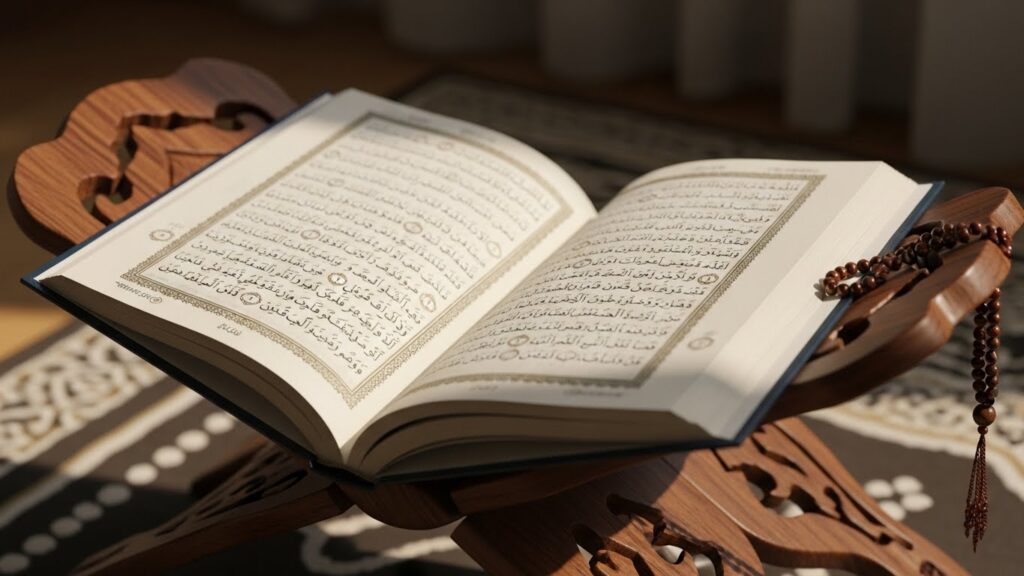
The Quran has 604 pages in the standard Arabic Mushaf that most Muslims use today. This version is known as the Madani Mushaf. Scholars carefully arranged it to make recitation and memorization easier for readers around the world.
When people ask how many pages are in the Quran, they usually mean this standard copy. You will find the same page count in most printed Qurans. This consistency helps Muslims follow the same reading schedule, especially during Ramadan.
Each page begins and ends in a balanced way. This structure supports smooth recitation and better focus. As a result, readers can complete the Quran with clear daily goals and less confusion.
If you plan to finish the Quran regularly, knowing the total number of pages helps you stay motivated and organized.
Why Does the Quran Have 604 Pages?
Scholars divided the Quran into 604 pages with great care. They wanted to make reading and memorizing the Quran easier for everyone. This page structure creates balance and flow throughout the Mushaf.
Each page usually ends at a natural stopping point. This helps readers pause without breaking the meaning. As a result, recitation feels smoother and more comfortable, especially during daily reading.
The fixed number of pages also helps Muslims set clear goals. Many people plan their recitation by page count. This method works well for students, beginners, and those memorizing the Quran.
Because of this careful arrangement, Muslims around the world follow the same page system. It brings unity and consistency to Quran reading and learning.
Does the Number of Quran Pages Change?
At first, many people wonder if the number of Quran pages ever changes. However, the answer is simple. The original Arabic Quran always remains the same in content.
That said, the page count may look different in some copies. For example, the font size, page size, or writing style can affect how many pages a printed Quran has. As a result, some editions may appear thicker or thinner.
Moreover, Quran translations often have more pages. This happens because they include explanations and meanings alongside the Arabic text. Therefore, these versions do not follow the standard 604-page structure.
How Many Pages Are in Each Juz of the Quran?
The Quran is divided into 30 Juz, also known as Paras. This division makes reading more manageable and helps Muslims complete the Quran in a planned way. Especially during Ramadan, many people follow this structure for daily recitation.
In general, one Juz contains about 20 pages. Since the full Quran has 604 pages, this division stays balanced and consistent. As a result, readers can easily track their progress without confusion.
Moreover, this system works well for beginners and regular readers alike. It allows you to set a simple daily goal and stay motivated. For example, reading one Juz a day helps you complete the Quran in one month.
Because of this clear structure, the Juz division continues to support millions of Muslims in building a strong and consistent Quran reading habit.
How Many Pages Are in One Surah of the Quran?
The length of each Surah in the Quran is different. Some Surahs are very short, while others are much longer. Because of this, the number of pages also varies from Surah to Surah.
For example, Surah Al-Ikhlas takes only one page and sometimes even less. In contrast, Surah Al-Baqarah covers many pages and spans several Juz. This variety makes the Quran unique and balanced in its structure.
Moreover, shorter Surahs often focus on strong messages with brief verses. Meanwhile, longer Surahs provide detailed guidance on faith, worship, and daily life. As a result, readers experience both depth and clarity throughout the Quran.
Understanding Surah length helps readers plan their recitation better. It also makes Quran study more organized and enjoyable.
How Many Pages Should You Read Daily to Finish the Quran?
Many readers want to complete the Quran but feel unsure about where to start. Fortunately, setting a daily page goal makes this process much easier. With a clear plan, consistency becomes simple.
If you want to finish the Quran in 30 days, you need to read about 20 pages each day. This method works well during Ramadan and for regular monthly recitation. It keeps the pace balanced and manageable.
On the other hand, if you prefer a slower pace, you can read 10 pages daily and complete the Quran in about two months. Meanwhile, reading more pages each day helps you finish sooner if you have extra time.
Overall, choosing a daily page goal helps you stay focused and motivated. It also turns Quran reading into a steady and rewarding habit rather than a difficult task.
Quran Page Count for Memorization (Hifz)
Memorizing the Quran becomes easier when you understand its page structure. Many students use pages as a daily target because this method brings clarity and consistency. It also helps them measure progress with confidence.
For beginners, memorizing one page a day works very well. This pace allows enough time for revision and strong retention. Over time, students build a solid foundation without feeling overwhelmed.
Moreover, the fixed page layout supports better focus. Each page ends at a natural point, which helps with memorization and recall. As a result, students can revise and connect verses more easily.
Because of this system, many Huffaz follow a page based approach. It keeps memorization organized and supports long-term success.
Common Misconceptions About Quran Pages
Many people have questions about the Quran page count. Some believe different Qurans have different content. However, this is not true. The words of the Quran remain the same in every authentic Mushaf.
The differences you may notice are only in font size, page layout, or translations. For instance, a translation may have extra pages because it includes meanings and explanations. Meanwhile, the original Arabic text always follows the standard 604-page structure.
Another misconception is that smaller or larger Qurans change the content. In reality, only the size or design changes, not the text itself. Therefore, whether you have a pocket Quran or a large copy, the message stays complete.
Understanding these points removes confusion. It also helps readers trust their Mushaf and focus on learning and recitation without worry.
Hadith About the Quran
The Prophet Muhammad (peace be upon him) emphasized the importance of reading, understanding, and following the Quran. One well-known Hadith says:
“The best of you are those who learn the Quran and teach it.”
[Sahih al-Bukhari, Book 61, Hadith 546] This Hadith shows that reciting the Quran is not enough; understanding and sharing its teachings is equally important. It encourages Muslims to make the Quran a central part of daily life.
Frequently Asked Questions (FAQs)
The standard Arabic Quran has 604 pages. This is based on the Madani Mushaf used worldwide. Each page is carefully arranged for smooth recitation and memorization.
Quran translations may have more pages than the original Arabic text. This is because translations include meanings and explanations. The Arabic text itself still remains 604 pages.
The Quran is divided into 30 Juz. Each Juz usually contains around 20 pages. This division helps Muslims plan daily recitation, especially during Ramadan.
Yes, the original Arabic Quran always has 604 pages. Differences in size, font, or translations may make a Quran look longer or shorter, but the content never changes.
Many students memorize the Quran one page per day. This method makes memorization easier and organized. The fixed page layout helps with revision and long-term retention.
Conclusion
Knowing how many pages are in the Quran helps Muslims plan their reading, recitation, and memorization effectively. The standard Quran has 604 pages, divided into 30 Juz and multiple Surahs of varying lengths. This structure makes it easier to set daily goals, whether you aim to finish the Quran in a month or memorize it over time.
Reading the Quran regularly brings guidance, peace, and rewards in both this world and the Hereafter. By understanding its page count, you can stay consistent, organized, and motivated. Remember, even small daily progress adds up, and every page you read strengthens your connection with Allah.
Start today by setting a realistic daily goal. Whether it is one page or one Juz, each step brings you closer to completing the Quran and benefiting from its timeless wisdom.
👉 Strengthen your faith with guided learning join our Online Quran Classes and book a free trial today.
Explore:
- Online Quran Classes
- Tajweed Course
- Quran for Beginners
- Free Trial / Contact Us